Social Media Marketing for Small Businesses: A Practical Plan That Fits a Real Week
Most small business owners know they should be on social media. Few have the time, and fewer know what to post.
So they post when they remember, copy what competitors do, and judge success by likes. Then they decide social media "doesn't work."
It does work, but only with a plan that fits a real week. This guide gives you one: a goal, a platform, four kinds of content, a weekly routine, and a way to measure what matters.
Short answer: To market a small business on social media, pick one goal, focus on one or two platforms, post four kinds of content (show, teach, prove, invite), keep a routine you can actually hold, and measure inquiries and sales, not likes. Numbers help a page look established, but customers come from content that earns their trust.
Step 1: Choose One Goal
"Be on social media" isn't a goal. Pick one:
| Goal | What success looks like |
|---|---|
| Get found | More people discover your business |
| Get inquiries | More messages, calls, and form fills |
| Get sales | More orders from social media |
| Build trust | Prospects see proof before they contact you |
| Keep customers | Existing customers return and refer |
Choose the one that matters most this quarter. Everything else follows from it.
Step 2: Choose Your Platform (Just One or Two)
You don't need to be everywhere. Choose where your customers already spend time.
| Platform | Strong for | Best when |
|---|---|---|
| Visual products, services, and local brands | You can show your work, food, or results | |
| YouTube | Teaching, trust, and long-term search traffic | Customers research before they buy |
| Local communities, events, and older audiences | You serve a local area | |
| TikTok | Short, entertaining video for younger audiences | You can make fun, quick content |
| X (Twitter) | News, B2B conversation, and quick updates | Your audience follows your industry |
| Telegram | Direct updates and community groups | You want a channel for announcements or offers |
Start with one. Do it well for three months. Add a second only when the first runs smoothly.
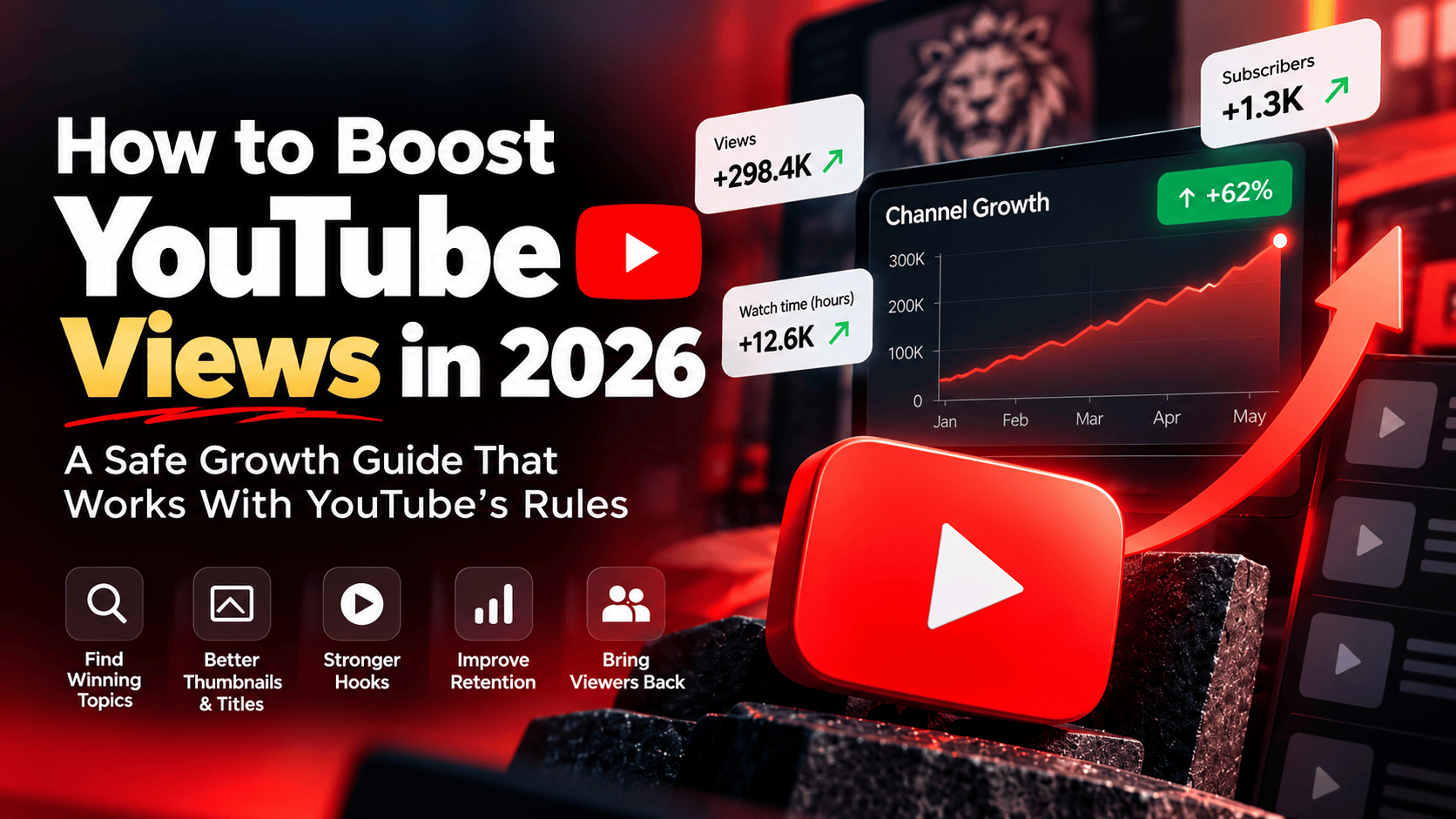
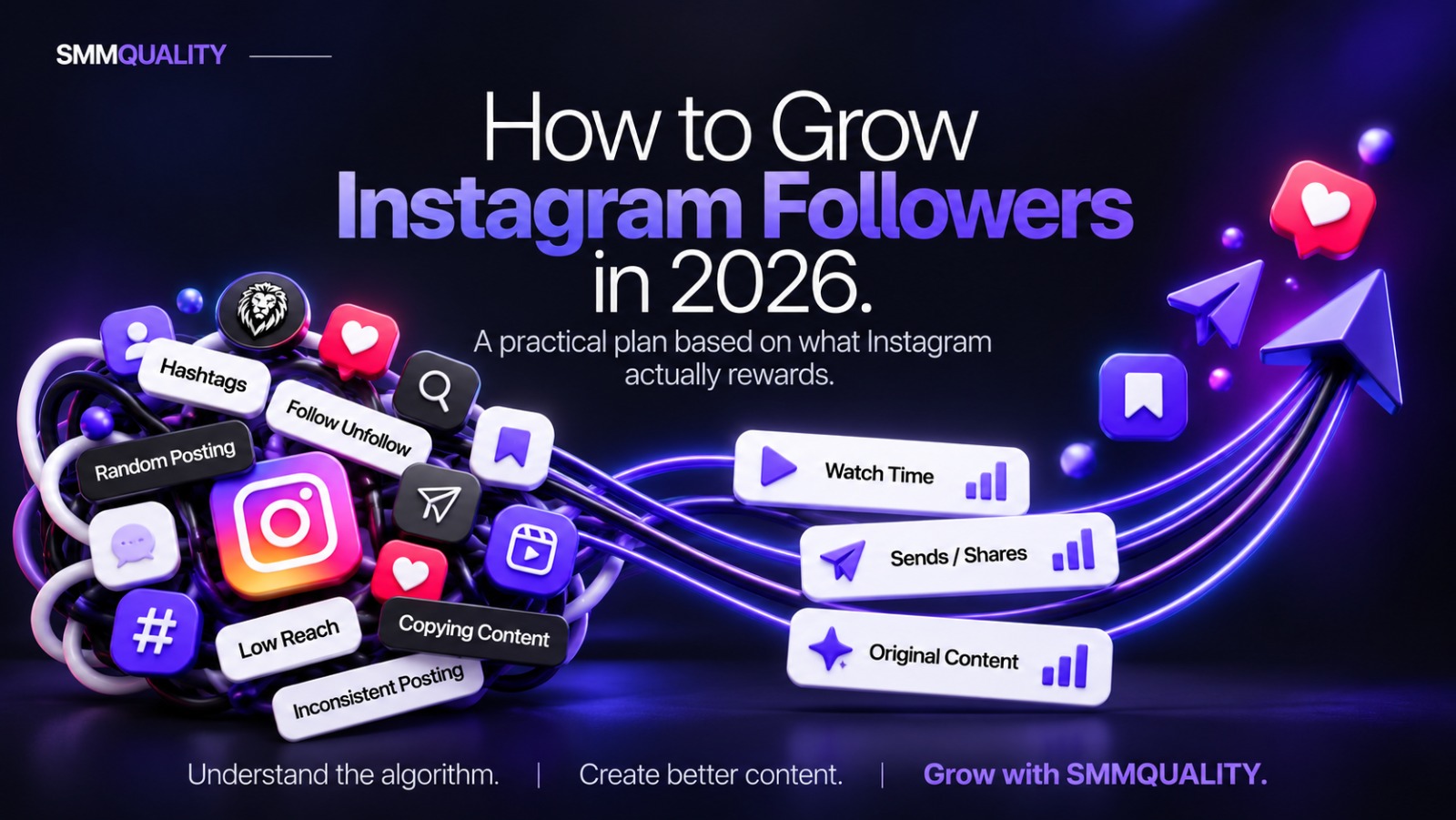
For deeper guides, see How to Grow Instagram Followers, How to Boost YouTube Views, and TikTok Growth Strategies.
Step 3: Set Up Your Profile to Convert
Before you post, make sure a visitor can tell in five seconds what you do and what to do next.
-
Clear name and photo. Your logo or a recognizable face.
-
A bio that says who you help and how.
-
One link to your most important action: booking, ordering, or contacting you.
-
Contact options visible without searching.
-
Three pinned posts that show your best work.
A great post leading to a confusing profile loses the customer.
Step 4: Post Four Kinds of Content
Most small businesses post only promotions. People tune those out. Rotate these four types.
| Type | What it does | Examples |
|---|---|---|
| Show | Lets people see what you do | Behind the scenes, your process, a day at work |
| Teach | Builds trust through help | Quick tips, how-tos, answers to common questions |
| Prove | Shows that it works | Customer results, before and after, testimonials |
| Invite | Gives a next step | An offer, a booking link, a question for followers |
A simple rhythm: Show, Teach, Prove, Teach, Invite. Notice that only one in five posts asks for something.
Step 5: Build a Routine You Can Hold
A plan you can't keep is worse than no plan. Here's a sample week that takes about three to five hours. It's a suggestion, so adjust it to your time.
| Day | Task | Time |
|---|---|---|
| Monday | Choose the week's four ideas, one per content type | 30 min |
| Tuesday | Film or photograph everything in one batch | 90 min |
| Wednesday | Edit, write captions, schedule posts | 60 min |
| Thursday | Post and reply to every comment and message | 20 min |
| Friday | Check the numbers that matter. Note what worked | 20 min |
Batching is the trick. Doing everything in one session beats scrambling every day.
Step 6: Measure What Matters
Likes feel good and pay no bills. Track what connects to your goal.
| Your goal | Track this |
|---|---|
| Get found | Reach, and the share of it from people who don't follow you |
| Get inquiries | Messages, calls, and form fills that mention social media |
| Get sales | Orders from social, using a code or a "how did you hear about us?" question |
| Build trust | Saves, shares, and replies to your proof posts |
| Keep customers | Repeat orders and referrals |
Ask every new customer how they found you. It's the cheapest tracking you'll ever do.
Step 7: Respond Fast
Replies are marketing. A prospect who messages you and waits a day often buys elsewhere.
-
Reply to comments and messages quickly.
-
Save answers to the questions you get most.
-
Thank people who tag you or leave reviews.
-
Move serious conversations to a call, message, or booking link.
Step 8: Use Paid Support Sensibly
Organic posting is slow. You have two kinds of paid support to consider.
Paid ads on the platform reach real people, which can help when you want to find new customers.
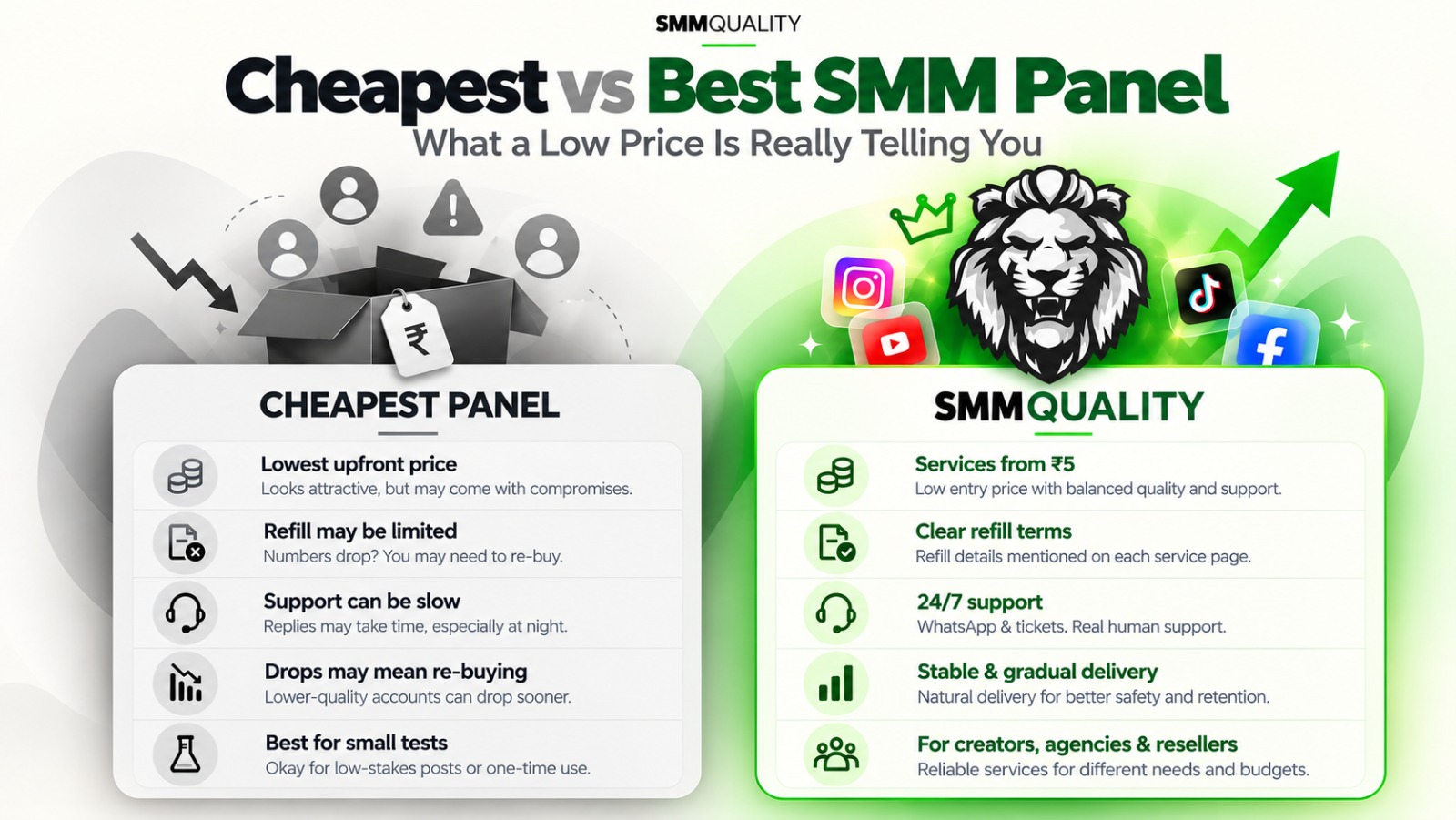
A small panel order can make a brand-new page look less empty while your content starts working. It adds numbers, not customers, and it carries some risk, since platforms' rules can prohibit artificial engagement. If you try it, start small and gradual. Read SMM Panel vs Organic Growth and Is Using an SMM Panel Safe? first.
Mistakes Small Businesses Make
Posting only promotions. People scroll past them.
Being on every platform. You end up weak on all of them.
Judging by likes. They don't tell you if it's working.
Going quiet after two weeks. Consistency is most of the work.
Ignoring messages. A slow reply is a lost customer.
Buying numbers instead of building content. A large count on a page with nothing behind it doesn't convince anyone.
Having no goal. Without one, you can't tell what's working.
Your First 30 Days
| Week | Focus |
|---|---|
| Week 1 | Pick one goal and one platform. Fix your profile. Write ten content ideas across the four types |
| Week 2 | Post three to four times. Reply to everything. Start your tracking sheet |
| Week 3 | Check which type earned the most replies and inquiries. Make more of it |
| Week 4 | Compare inquiries to week 1. Decide your next quarter's focus |
Where SMMQuality Fits
SMMQuality is an SMM panel for creators, small businesses, digital agencies, and resellers. We cover Instagram, YouTube, Facebook, X (Twitter), TikTok, and Telegram, with services from ₹5, and our support is available around the clock.
For a small business, our honest advice is the plan above: get your profile and content right first. If you then want a small, gradual push to make a new page look established, we're here, and we'd rather you start with a test order than a big one.
Explore SMMQuality's services →
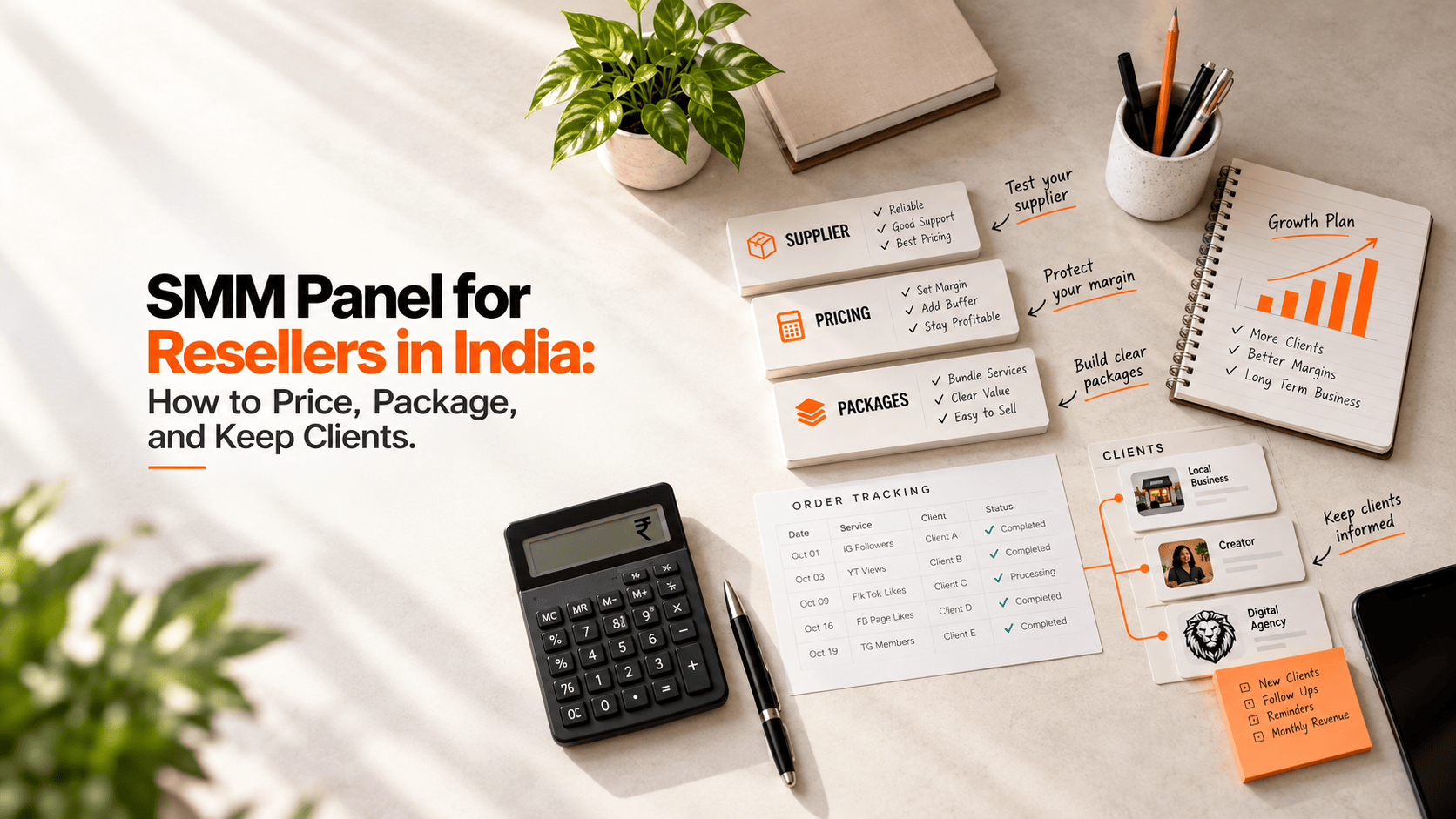
Related reading: What Is an SMM Panel? · How to Choose a Reliable SMM Panel · SMM Panel for Resellers
FAQs
How do I start social media marketing for my small business?
Pick one goal, choose one or two platforms, set up a profile that explains what you do, and post four kinds of content: show, teach, prove, and invite.
Which social media platform is best for a small business?
The one where your customers already spend time. Start with one and do it well.
How often should a small business post?
As often as you can keep up. Three to four quality posts a week beats daily posting that you drop after two weeks.
How do I measure social media success?
Track inquiries and sales that come from social media, not just likes. Ask new customers how they found you.
How much time does social media marketing take?
A sample routine takes three to five hours a week when you batch your work.
Should a small business buy followers?
It can make a new page look less empty, but it doesn't create customers and carries some risk. Content and replies are what turn visitors into buyers.
What should a small business post on social media?
A mix of four types: show your work, teach something useful, prove results, and invite people to take a next step.